

Notes for hoteliers
Booking engine: what it is, why you need one, and how to choose it

Andrea Piacquadio / Pexels
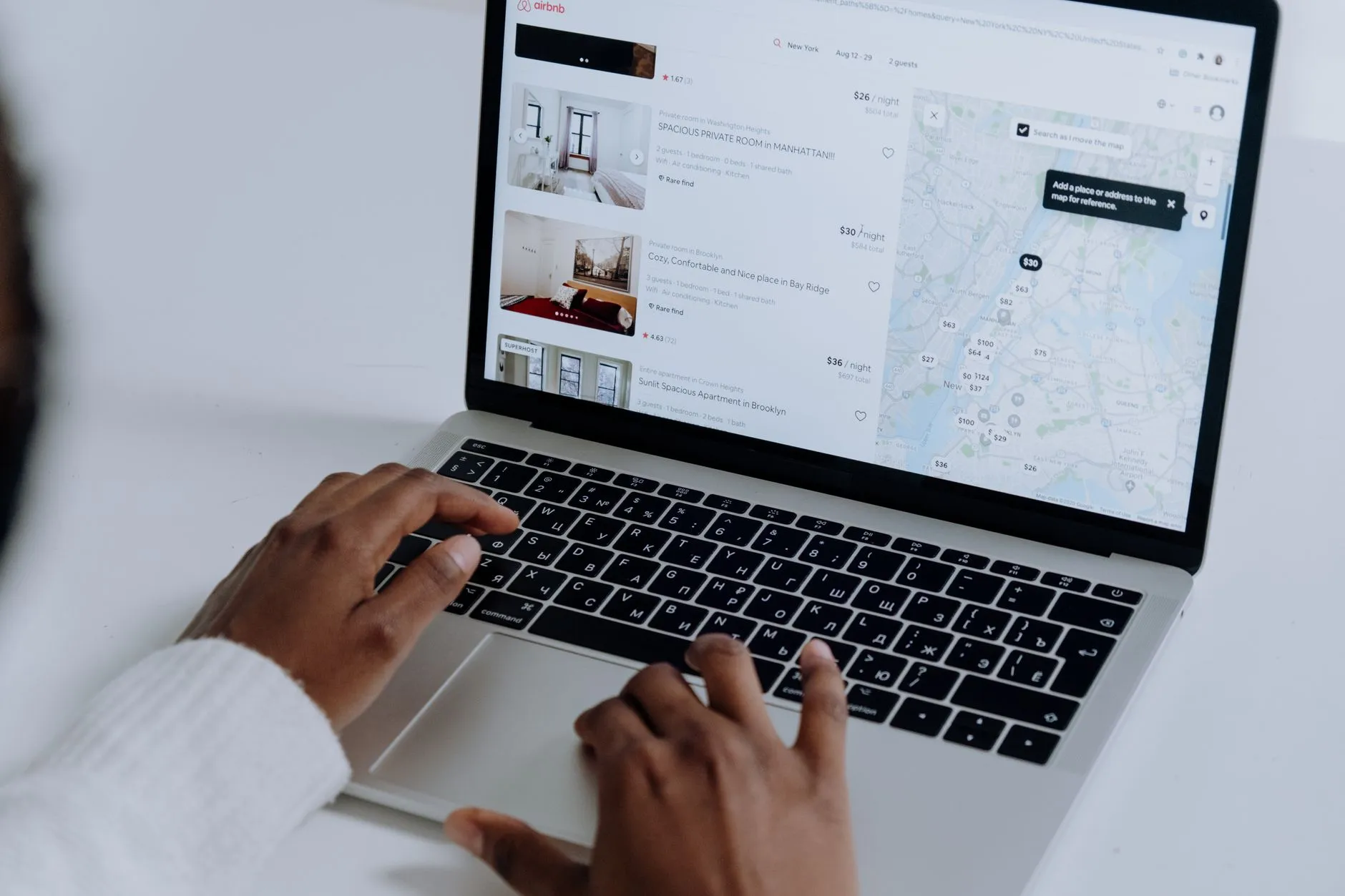
The guest has already chosen you. They read about breakfast, browsed the room photos, and they’re ready to pay. Your website offers a phone number, an email address, and a promise to reply within one business day. Then the usual: they open a channel, find you in the same list, and book in three minutes. Room sold. The commission goes to someone else.
A booking engine exists for exactly this moment: it turns a hotel website into a place where people book, not where they leave a request. Here’s how it works, what it gives a 9–30 room property, and how to choose one—with criteria to test before subscribing, not after.
What a booking engine is
A booking engine is the part of a hotel’s software that takes direct bookings on your website: the guest picks dates and a room type, sees your rates, pays by card, and gets a confirmation. No middlemen, no channel commission.
It works hand in hand with the property management system: the widget shows, in real time, what sits in the PMS Planner. Change a rate—the website shows the new price. Sell a room—availability drops. A guest books—it lands in the same calendar where channel and phone bookings already live. Nobody copies it by hand: the front desk sees the name, dates, and total.
A simple test for how “real” an engine is. Ask where it takes availability and prices. From the PMS—it’s a sales channel. From its own table that somebody must keep updated—it’s an inquiry form, whatever the sales deck calls it.
Are a booking engine and an online booking system the same thing?
Yes—two names, one system. “Online booking system” is a longer synonym. The word you pick changes nothing; what changes things is what stands next to the engine. It has two neighbors: the PMS, where bookings, rates, guests, and money live, and the Channel Manager, which pushes your rates and availability out to sales channels. People confuse the systems more often than the terms—hence the separate section below.
The booking path: four steps
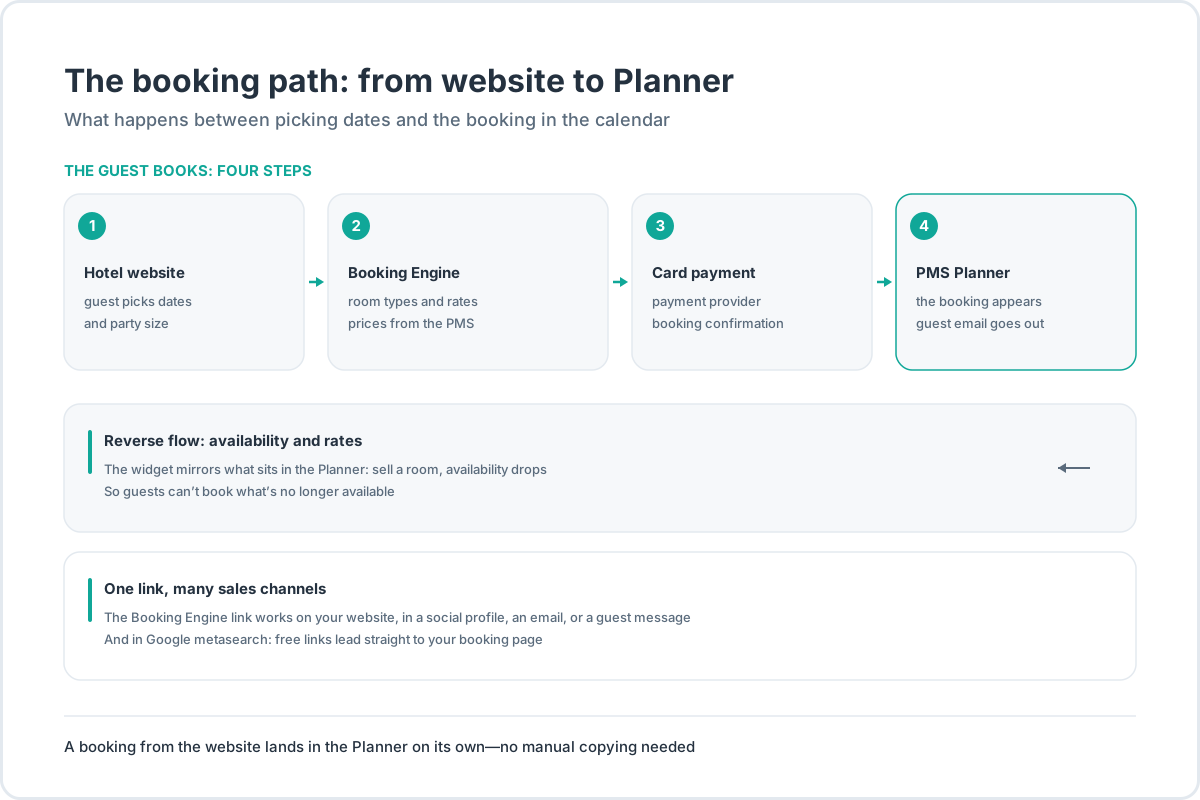
The guest’s steps look much the same in every engine.
First, dates and party: two dates, adults, children. Then room types and rates for those dates—the guest sees your actual prices, not a “from” teaser. Next, card payment on the payment provider’s page, where the hotel never touches card details. Last, confirmation: an email to the guest and a booking in the Planner.
The whole thing takes a couple of minutes. A website form, by comparison: an email, waiting for a reply, checking availability, an invoice, another reply. Some guests drop off at every step—not out of carelessness; people simply book where it’s easier.
Where to put the engine has a short answer: on your website. A “Book now” button in the header and a date-picker widget on the homepage cover most scenarios, and installation usually means two lines of code—no redesign required. But one page isn’t the whole story: the link to the engine works everywhere your guest is—a social profile, a messenger reply, an email signature. And in Google metasearch: free booking links show your price and lead straight to your booking page, no cost per click.
Time works in your favor—if the website answers fast. Per an industry report, the average booking window has grown from 38 days in 2023 to 40 in 2025: guests book roughly forty days ahead. For those forty days they compare—prices, room types, cancellation terms. If all you offer at the moment of comparison is a phone number and an inbox, the decision follows someone else’s rules.
What a booking engine gives you
Six reasons a small property installs one. Money first.
1. You don’t pay channel commission on this booking
The average channel commission is 15–30%+ per booking; ten years ago it held at around 10% (industry report data). It’s charged on the full amount the guest paid, and it grows faster than prices: visibility and promotion programs push the effective rate above the base.
A quick calculation for a property selling 250 bookings a year through a channel at an average of $312 per booking (industry report). At 15% commission that’s $11,700 a year—from a flow you already have. The number scales with revenue: more bookings, more commission, and no channel pricing plan cancels it.
An honest caveat: the direct channel isn’t free. A website, traffic, and payment processing cost money—by HospitalityNet’s estimate, winning a direct booking costs 4–5% of the booking value, 8–12% once marketing is counted in. The gap versus channel commission stays roughly twofold—a gap in margin, not volume. A direct channel doesn’t replace the channels; it adds one more, where the guest it brings costs you no commission. What channel commission is made of and where it hides: the article on OTAs and sales channels.
2. Prices and availability on your website don’t lie
A website booking flows from one place—the Planner. So the site never shows what’s already out of sale, and the price matches the rate you set. There’s no separate “for the website” table, and nobody can forget to update it.
There’s a second side to this—reliability. Per an industry report (90+ million bookings at independent properties in 2025), 21.8% of channel bookings get canceled, against 10.6% of direct ones. Twice the gap. The mechanics are simple: a guest who made it to your website chose deliberately, not from a photo in a long list of similar cards.
3. Guests spend more—when you have more to offer
Per an industry report (more than 135 million bookings a year, 20 markets), a booking from a hotel’s own website brings in $516 on average; a channel booking, $312. The reason isn’t “direct sales” magic: on your website the guest sees every room type, not just those listed in the channel, plus all your extras—breakfast, airport transfer, late check-out. If the engine can sell extra services with a time attached—a transfer for a specific flight, breakfast at a set hour—they sell as separate line items next to the room. Packages and seasonal discounts switch on when you need to fill the low season, and off when occupancy is healthy anyway.
For a 9–30 room property this cuts both ways: if all you sell is “a room for a night,” there’s no difference from a channel. The engine is where your whole inventory sells—not just the cheapest room type.
4. Website conversion stops being a lottery
The average hotel website converts at 1.5–2.5%; the website-plus-engine combo, at 2–5%. Those are orders of magnitude from industry roundups, not a benchmark—no public methodologies behind the figures. The more telling gap is between engines. In a cross-vendor industry benchmark from 2022 (10,000+ hotel websites), the mobile widget brought in less than half of desktop bookings for nearly every provider, and the best engine converted more than three times better than the worst. Engines are not created equal—hence the criteria below.
Now, mobile. About 61% of online accommodation bookings happen on a phone (Mordor Intelligence, 2025), and it’s on mobile that guests abandon bookings most. Industry data says around 80% of started bookings never reach payment; the reasons include hidden extras on the final step, friction in the form, and opaque cancellation terms. A good engine shows the full total up front and doesn’t hide the cancellation rules until the last screen.
5. The guest and their data stay with you
Book through a channel, and the guest belongs to the channel: their contact, history, and marketing consent stay on the platform. A direct booking leaves you the email and phone number, the stay history, and a reason to write again. Per industry data, direct bookings have grown 55% since 2019—not an explosion, but a direction.
Hence a question to ask before subscribing: where guest data lives. Which country it’s stored in, who has access, what happens when the contract ends. For European guests this isn’t a formality: HotelsCalendar stores data in the EU, with access controls in place.
6. Less manual work—and payment without surprises
A guest books at 2 a.m.; in the morning the front desk finds a booking, not a missed call and a “call me back” note. The confirmation goes out on its own, cancellation terms are fixed in the booking, and the total is calculated by the system, not in someone’s head.
Payment runs on the payment provider’s side: the hotel never touches card details and doesn’t store them. Wallets—Apple Pay, Google Pay—remove card typing exactly where conversion is lowest, on the phone. Per Stripe’s data on non-hotel checkouts, Apple Pay added 22.3% to conversion: cross-industry numbers, not a hotel case, but the direction is right. Which methods guests can pay with, how a deposit hold differs from a prepayment, and how to avoid a payment dispute: the article on online payments.
How a booking engine differs from a PMS and a Channel Manager
Three systems answer three different questions, and confusing them is expensive.
| System | The question it answers | Who sees it |
|---|---|---|
| PMS | where bookings, rates, guests, and money live | your staff |
| Booking engine | how a guest books on your website | the guest |
| Channel Manager | how your rates and availability reach the channels | the channel’s guest |
The PMS is the core: the Planner, rates, guest profiles, the cash drawer. Without it the other two have nothing to work with. The Channel Manager pushes rates and availability to Booking.com, Airbnb, and dozens of other channels, and brings bookings back—in mature systems a separate module with its own delivery log.
A practical consequence. Channel sync is the Channel Manager’s job, not the booking engine’s: the engine is about direct bookings, the manager about channels. If an engine’s description promises “sync with Booking.com and Airbnb,” ask what exactly provides it—you’ll learn more that way than from any sales deck.
And a second consequence—the purchase. These modules are sold separately and as one subscription; the second model is simpler on the books. At HotelsCalendar, the PMS, Booking Engine, Channel Manager, and Guest Portal come in a single subscription—no commission on bookings, no per-module fees on the invoice.
How to choose a booking engine: four criteria
A 9–30 room property has an easier choice than a chain: fewer integrations, fewer formal requirements. It’s just as easy to get wrong—which is why the criteria below should be checked by hand, not by brochure.
Criterion 1. Mobile, not “responsive”
Most accommodation bookings happen on a phone, and the phone converts worse. That’s the market; arguing with it is pointless. Open the engine on your smartphone and walk the guest’s path end to end: how many screens from dates to payment, whether the card gets typed by hand, whether the total is readable. Speed isn’t cosmetics: in a 2020 Deloitte and Google study, 0.1 seconds off load time added 10.1% to conversions on travel sites. Dated, but the direction hasn’t changed.
The same walk, with analytics on. If the engine sits on the page inside a frame, some guest steps vanish from your statistics: analytics can’t see inside. Ask how the engine embeds and which of its events reach your analytics. Otherwise, six months in, you’ll know the bookings exist but not where they come from.
The last mobile test—the abandoned booking. Start booking and close the page halfway, before payment. If the guest’s contact is captured on the first step, the hotel can still reach them by email; per industry data, such emails convert an order of magnitude better than regular campaigns. If the contact only appears with payment, the booking is gone along with the guest—another question to ask before choosing.
Criterion 2. Your brand, your languages
The widget is part of your website, and the guest shouldn’t notice the transition: colors, fonts, logo, tone of the texts. Check whether styling changes without a developer—if a button color takes a support ticket, that’s not customization, that’s correspondence.
Second, the languages your guests actually speak, and the currencies they browse prices in. An international guest needs to know what it costs in their money—even though the charge goes through in the hotel’s currency.
Criterion 3. The link to the PMS and the Channel Manager
One question: where the engine takes availability and rates. From the property management system—the booking is in the calendar immediately, and no second table appears. From its own database—you’ve just acquired another list to synchronize by hand.
Three things to check: how fast a booking lands in the Planner, what happens when a guest cancels, and how availability behaves when a room sells in a channel. The last one belongs to the Channel Manager—but ask up front: these two systems work as a pair, and buying them from different vendors is a separate story with a separate integration.
A real connection shows on day one. With one, you change a rate and see the new price on the website a minute later, and website bookings never get copied into the calendar. Without one, after every edit somebody repeats it in a second window—and sooner or later one of the two places lies.
If you run more than one property—a second aparthotel, a small chain—one more question: how the engine handles multiple properties. Ask before subscribing whether they all live in one account or each needs its own subscription—otherwise you’ll find out from the first invoice.
Criterion 4. Security: four questions instead of promises
The first—HTTPS on every page of the engine, including the payment step. Encrypted traffic is a baseline today, not an advantage; if a single page opens without it, the conversation is over.
The second—PCI DSS, the industry standard for payment card data security. A small hotel doesn’t need to carry it, and can’t. If payment happens on the provider’s page—in a separate window or a frame—most requirements sit with them; for the hotel it’s the lightest self-assessment form, SAQ A. Since March 31, 2025 the standard has been stricter about payment pages: requirements 6.4.3 and 11.6.1—script control and page integrity—are mandatory, and precisely these are what provider-side payment takes off your plate. The practical takeaway: ask for the provider’s certificate, not the slogan “we’re secure.”
The third—payment authentication. In Europe, strong customer authentication (SCA) applies: the bank confirms the payment with a second factor, which the guest experiences as an extra 3-D Secure step. EU payment rules are being revised right now—PSD3 and PSR, a preliminary Council and Parliament agreement in late 2025—so what matters isn’t the abbreviation in the deck but how confirmation happens and what the guest sees.
The fourth—guest data: the storage country, access, what happens when the contract ends. The same question as in benefit five, and it belongs before subscribing, not when a guest first asks.
Checklist: ten questions before you connect
A list for an email to a vendor—or for checking yourself:
- Where does the engine take availability and prices—the PMS, or its own table?
- How fast does a booking land in the Planner, and with which fields?
- How many screens from dates to payment—on a phone, not a monitor?
- What reaches your analytics: guest steps, booking sources, abandoned bookings?
- How does the engine connect: a script on the page, or a separate window?
- Which languages and currencies does the guest see, and how are they enabled?
- How far can styling be adapted to your brand—and without a support ticket?
- Who is the payment provider, who holds the PCI DSS certificate, how does confirmation work?
- Where is guest data stored, and who has access to it?
- How is the price calculated: a subscription, a percentage per booking, or both?
And the question everyone forgets: can the engine feed prices into Google metasearch. Free booking links show your price and lead to your booking page with no cost per click. An engine that can’t do that hands those impressions to the channels—commission included.
What a booking engine doesn’t do
Limits are worth knowing before the purchase, not after the first disappointment.
The engine doesn’t create demand. It’s a place to buy, not an advertisement. Without traffic—search, social, metasearch, channels—the widget sits empty, and that isn’t the engine’s fault. Per an industry report for 2025, channels brought independent properties 63.4% of bookings: the direct channel is built next to them, not instead of them.
The engine doesn’t sync channels. That’s the Channel Manager’s task: sell a room in a channel, and the manager reduces availability on your website—not the widget.
The engine doesn’t manage prices. Prices live in rate plans, not the calendar: the Planner holds bookings; rates with cancellation rules and restrictions are configured separately. The engine displays exactly what you’ve set up, no arithmetic of its own. How to build such plans: in the article on room pricing.
The engine doesn’t replace the website. A guest who lands on three booking screens from a link in an email still goes back to the website—for photos, descriptions, house rules. Empty pages with a widget on the front line won’t lift conversion.
The short version
- A booking engine is a sales channel on your own website: the guest books by themselves, the booking lands in the shared Planner, the email goes out without you.
- The gain isn’t “free bookings”—it’s margin and data: no channel commission on this booking, and the guest’s contact stays with you.
- The PMS link is the main criterion: without it, the engine collects inquiries, not bookings.
- The choice is tested with a phone and questions: the mobile guest path, brand and languages, integration, security, where the data lives.
If you’re assembling a set of systems and haven’t decided what to start with, begin with the article on software for a small hotel: rollout order, and what you can launch without.
To see how the engine works at HotelsCalendar, visit the Booking Engine page: two lines of code to install, card payment through Stripe with a deposit hold, extra services with time slots, a loyalty program—one subscription together with the PMS and Channel Manager.
Frequently asked questions
Is a booking engine the same as an online booking system?
Yes. “Online booking system” is a longer name from the same family—one and the same system for direct sales on a hotel’s own website. The difference only appears next to the neighbors: the PMS runs the property, the Channel Manager syncs the channels, the booking engine takes direct bookings on the website. How the engine works at HotelsCalendar: on the Booking Engine page.
Do you need a booking engine if the hotel already sells through Booking.com and Airbnb?
You do—alongside the channels, not instead of them. Per an industry report for 2025, channels brought independent properties 63.4% of their bookings: there’s no reason to walk away from that flow. What makes sense is counting what each channel costs: commission, cancellations, average booking value. Channels deliver the demand volume a property can’t gather on its own; the direct channel delivers margin and guest data. How channels are measured and what their commission is made of: in the article on OTAs.
How is a booking engine different from a PMS and a Channel Manager?
These are three different systems. The PMS runs the property: the Planner, rates, guests, the cash drawer. The Channel Manager pushes rates and availability to the channels and brings bookings back. The booking engine takes direct bookings on the website. You don’t have to buy them separately: at HotelsCalendar the modules come in one subscription with the PMS.
What must a booking engine have for a 9–30 room hotel?
A minimum of four things: a PMS link (otherwise it’s an inquiry form, not a booking tool), card payment with confirmation, a mobile version of the guest path, and the languages your guests speak. Everything else as needed: extra services, a loyalty program, a booking-source report. The full rollout order: in the article on software for a small hotel.
Is it safe to take payment through a booking engine?
Yes, if payment runs on the payment provider’s side: card details are entered on their page, and the hotel doesn’t store them. Watch three things: HTTPS on all the engine’s pages, the provider’s PCI DSS certificate (under this scheme the hotel qualifies for the lightest self-assessment form, SAQ A), and payment confirmed with a second factor—3-D Secure, which strong customer authentication requires in Europe. A “we’re secure” slide in a sales deck replaces none of the three.
Why do some engines charge a subscription and others a percentage per booking?
The market runs on both models. A percentage shifts the risk to the vendor: no bookings, no fee—but every booking gets more expensive as revenue grows. A subscription is predictable and doesn’t grow with occupancy, but it demands the engine actually brings bookings. What to ask in both cases: what’s included in the price, and whether module fees appear separately. At HotelsCalendar the invoice carries only the subscription—no commission on bookings and no per-module fees; what’s in the subscription is on the engine’s page.